Bus Shelter Expansion
How Bus Stop Shelter Upgrades Are Determined
Adding a shelter to a bus stop is a step-by-step process that takes planning and collaboration with various community partners. STA first reviews past ridership data to see if a shelter is needed based on STA’s comprehensive plan Connect Spokane. Another consideration for a bus shelter is whether the stop is a transfer point between two or more routes or is located near places that serve many riders with limited mobility, such as medical facilities or community services.
Next, the site is checked with the local city to make sure it is safe, has enough space, and meets ADA accessibility standards. Once the site is approved, STA works with nearby property owners to secure the needed right-of-way. Engineers then create construction drawings and obtain permits before work begins.
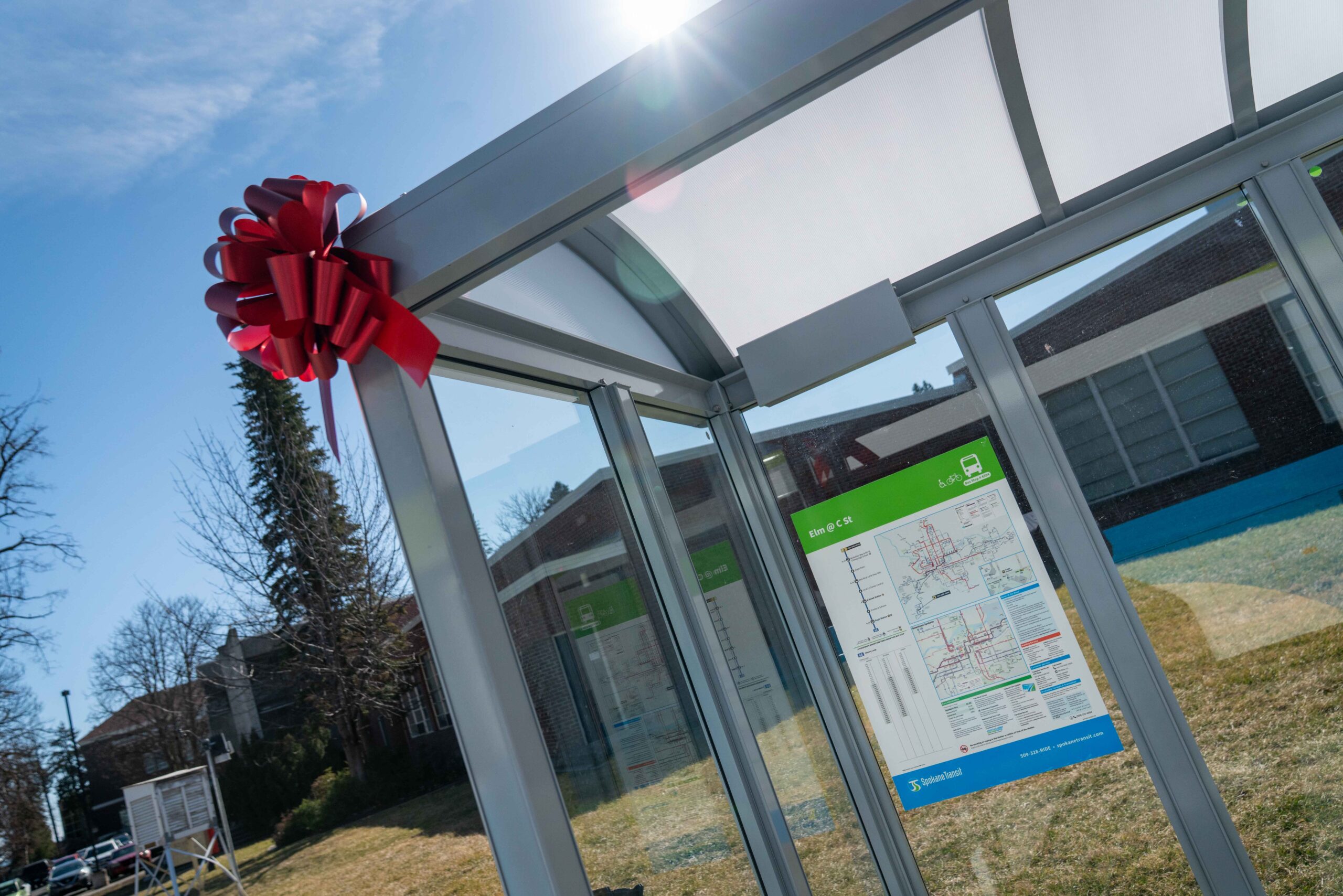
Construction usually includes removing old infrastructure, building new sidewalk, and pouring a reinforced concrete foundation. After the site is ready, the shelter is installed along with added rider amenities such as real-time arrival displays or trash receptacles, depending on the location. The shelter undergoes final inspections before opening for public use.
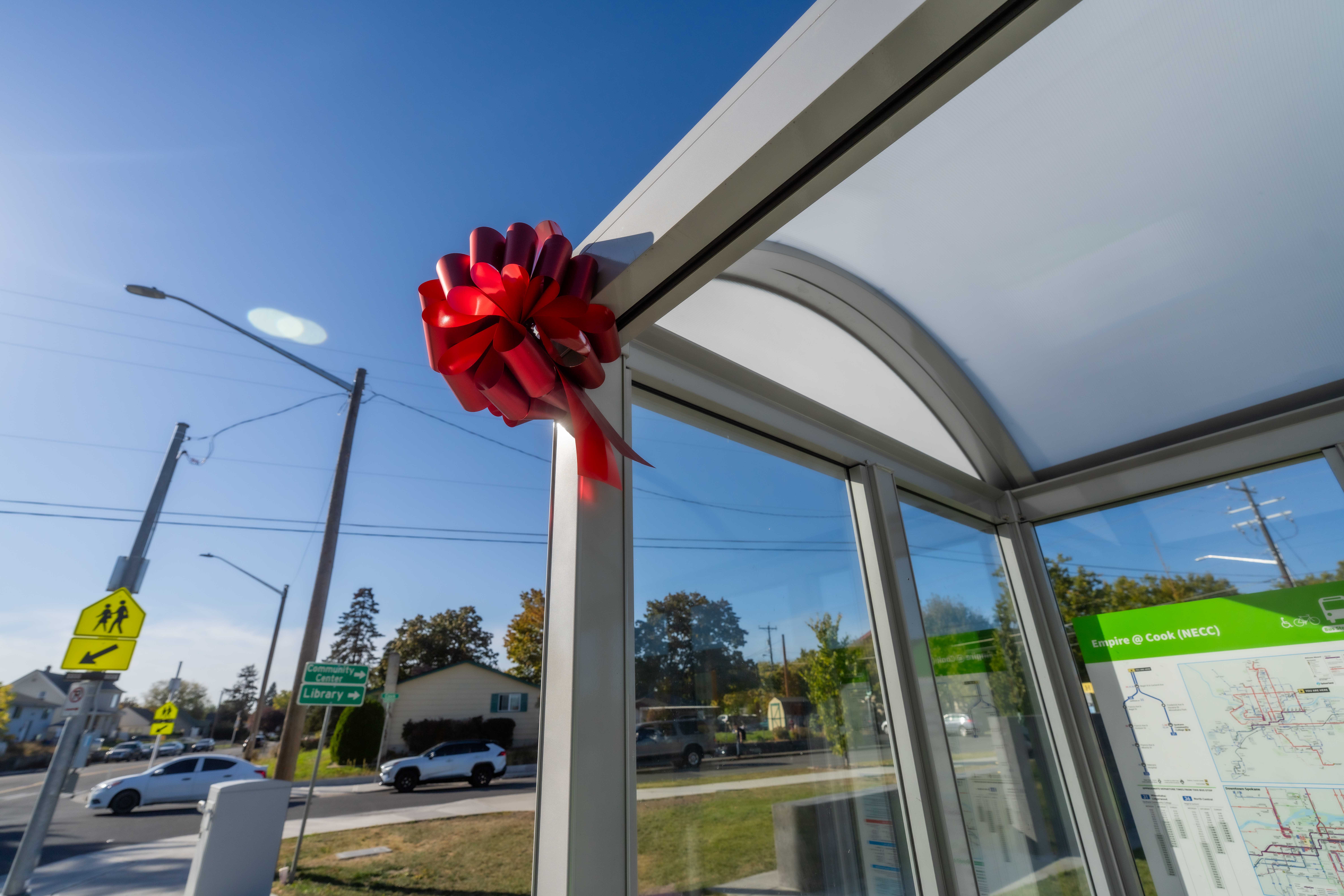
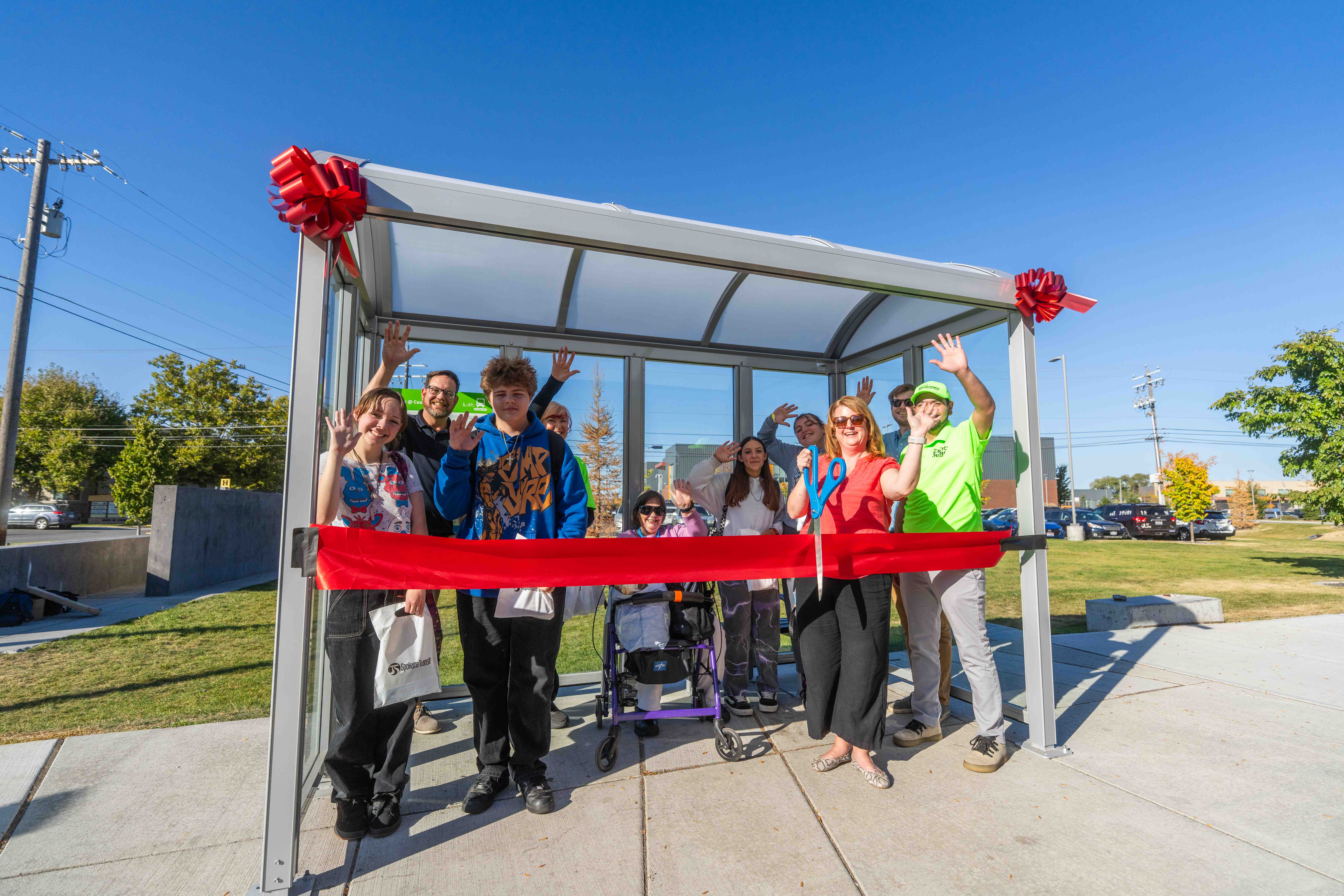
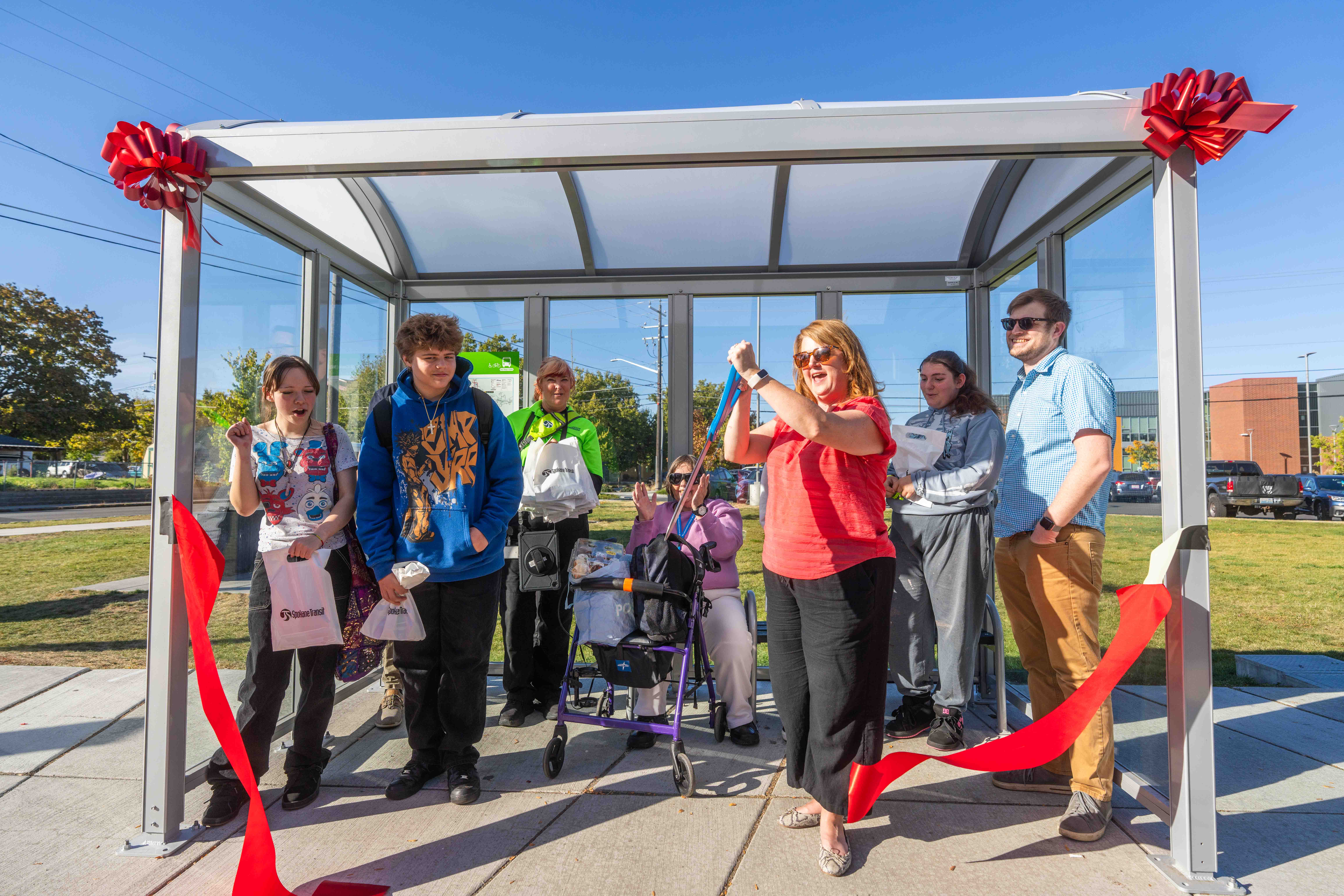
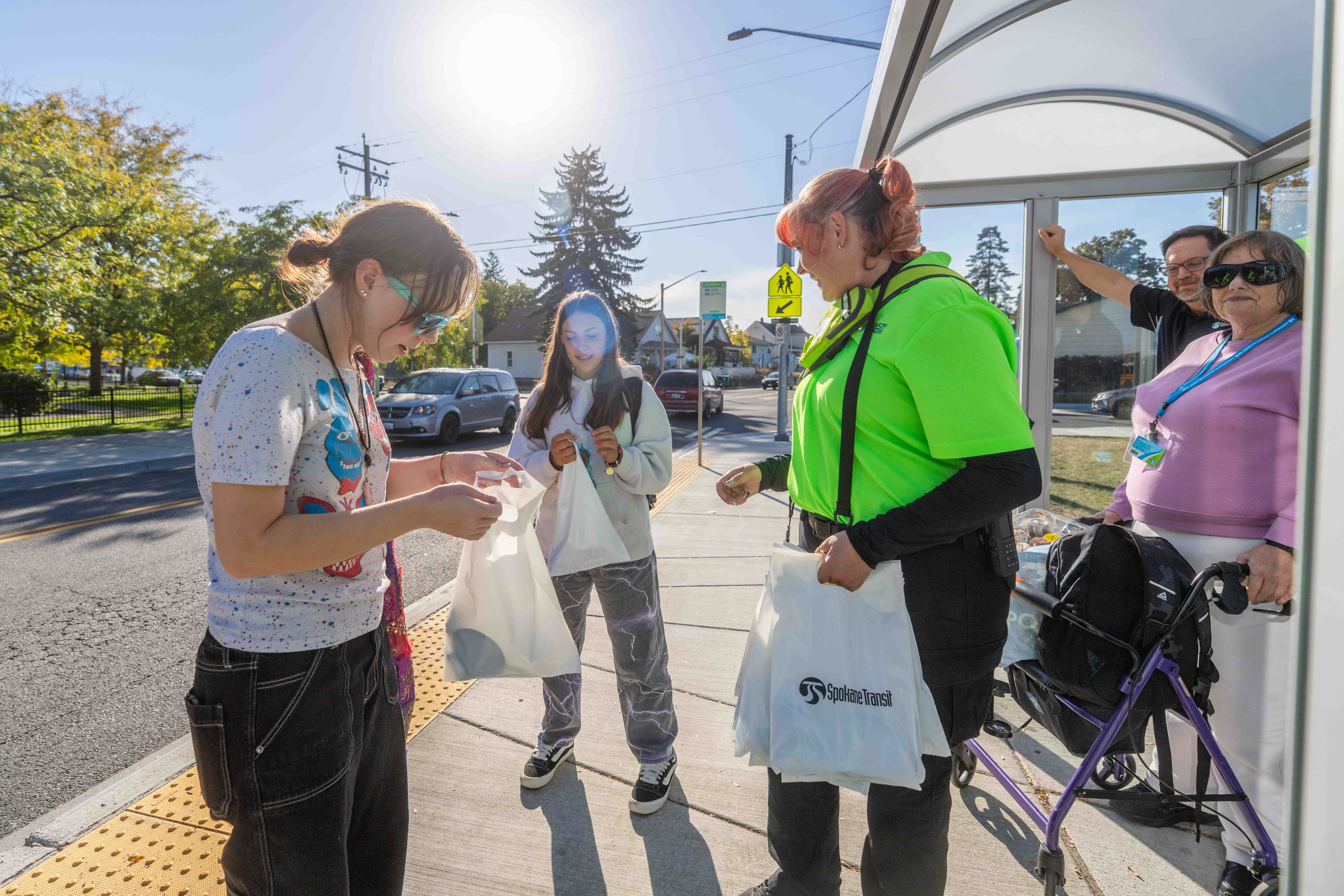
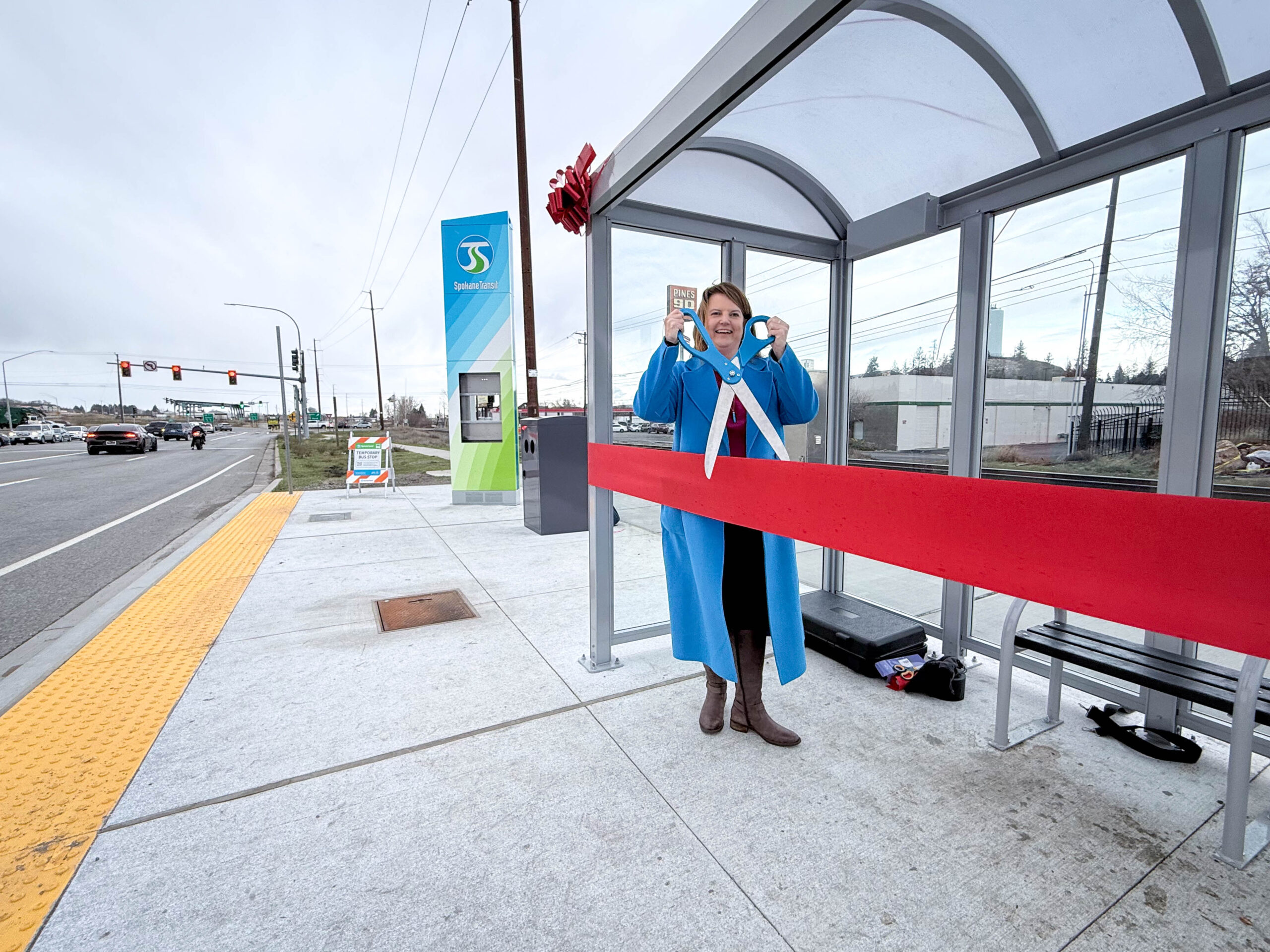
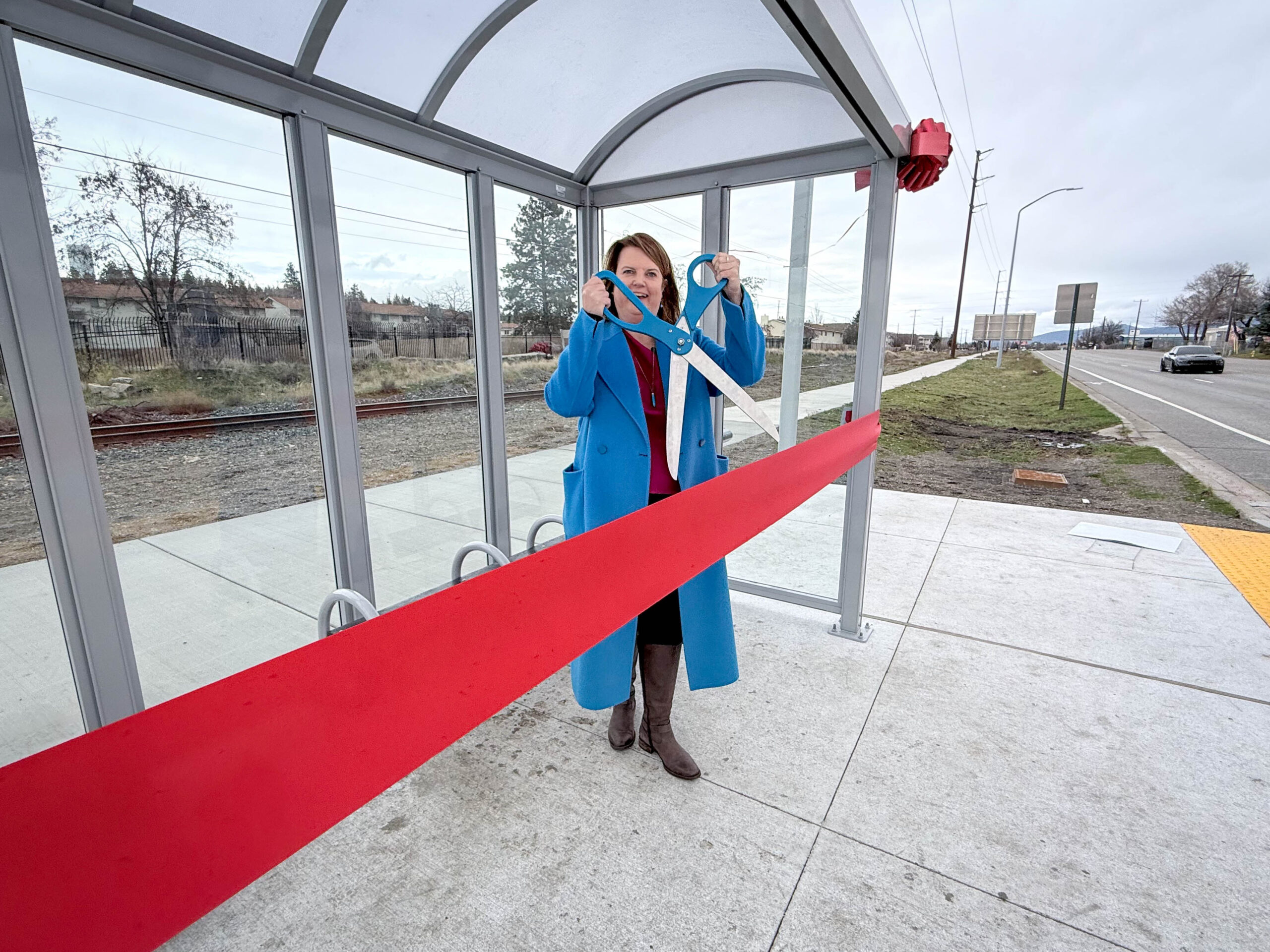
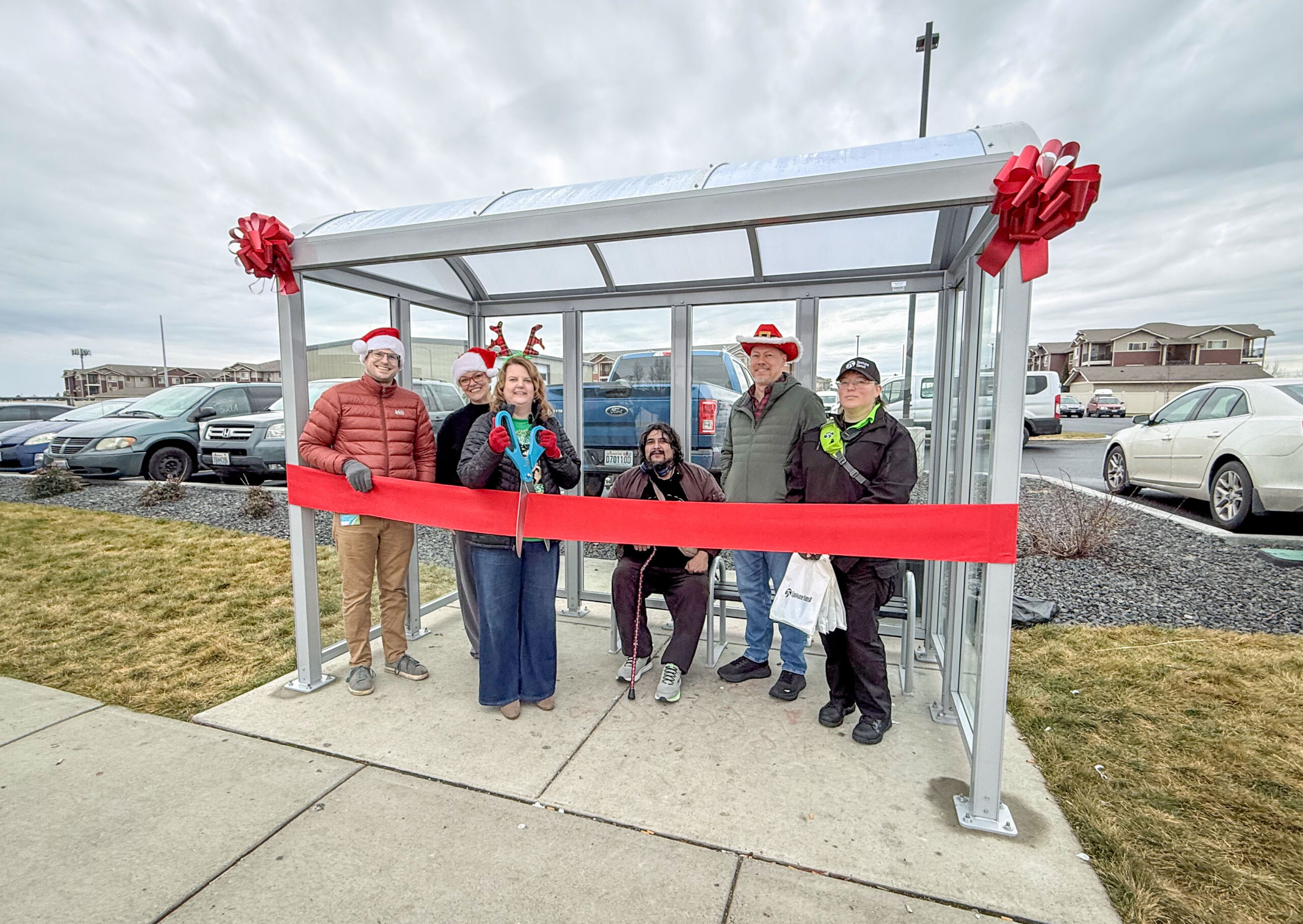
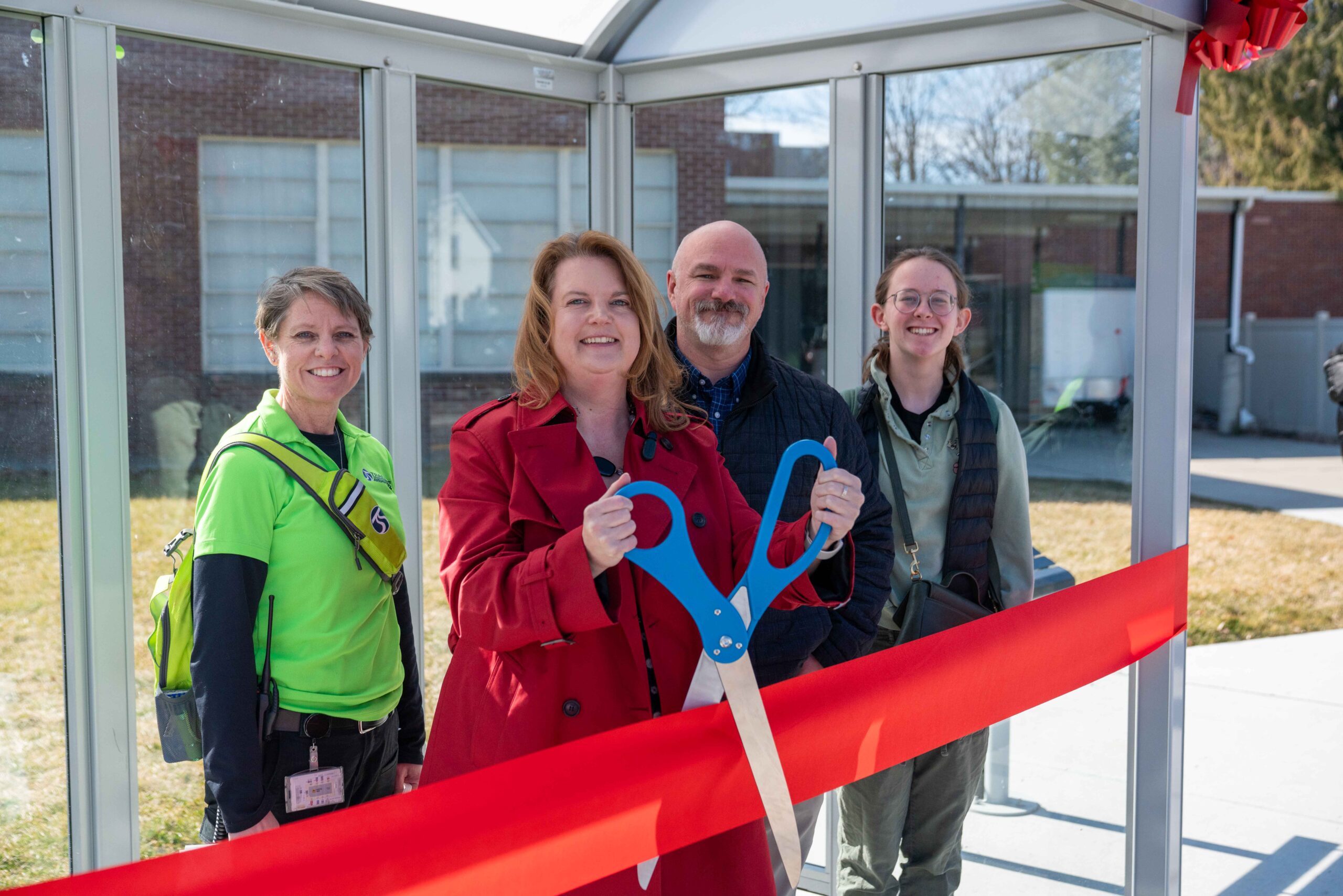
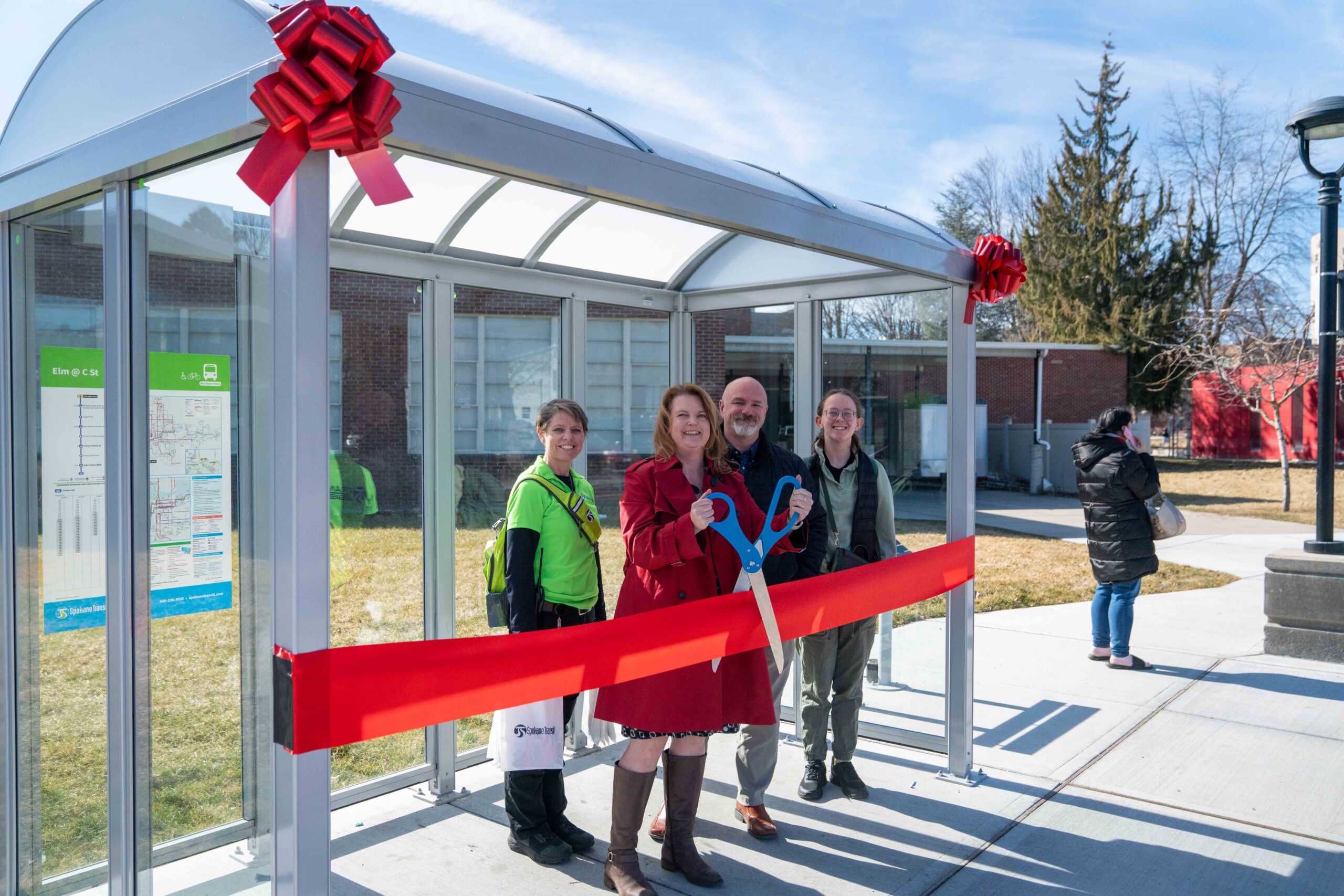
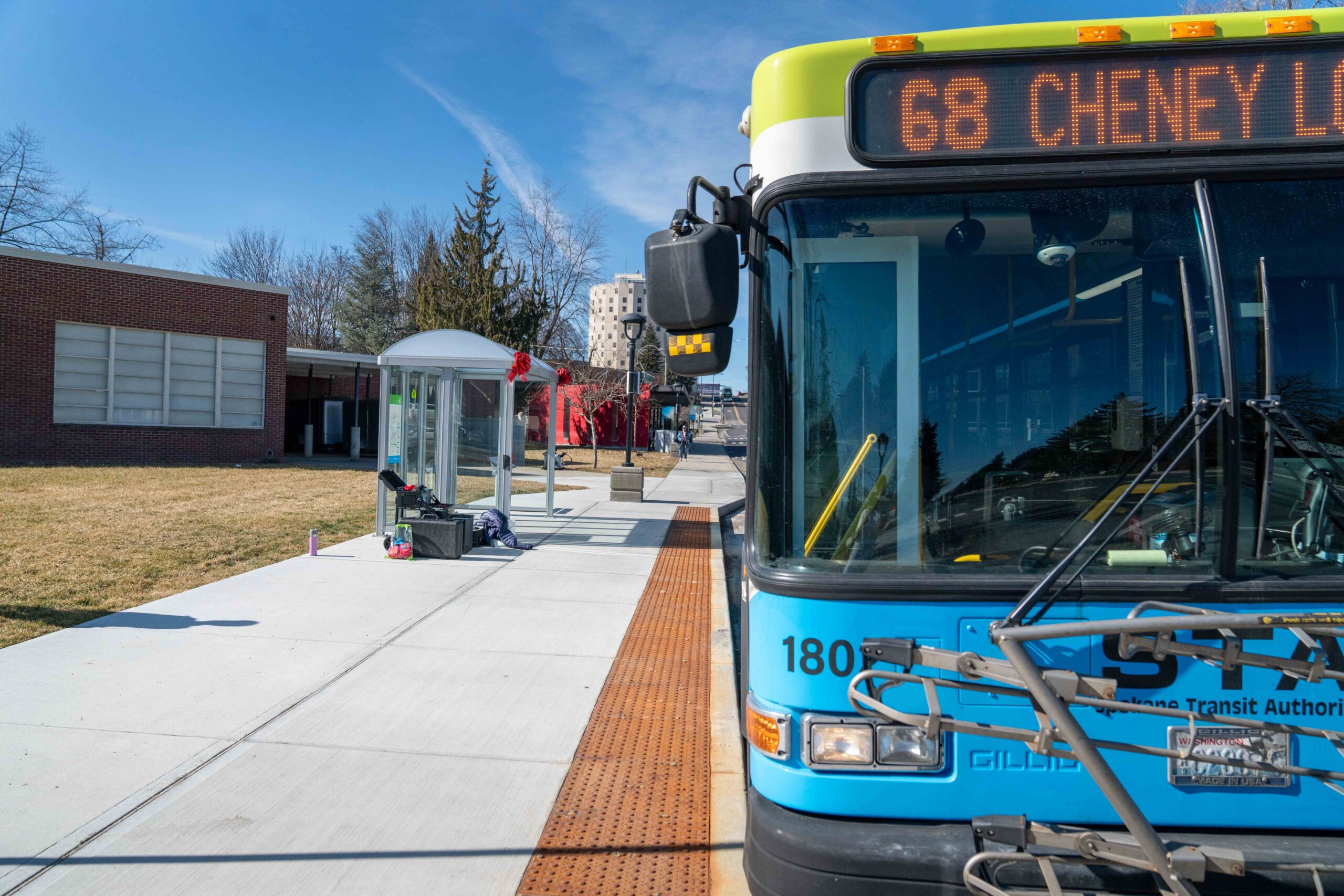
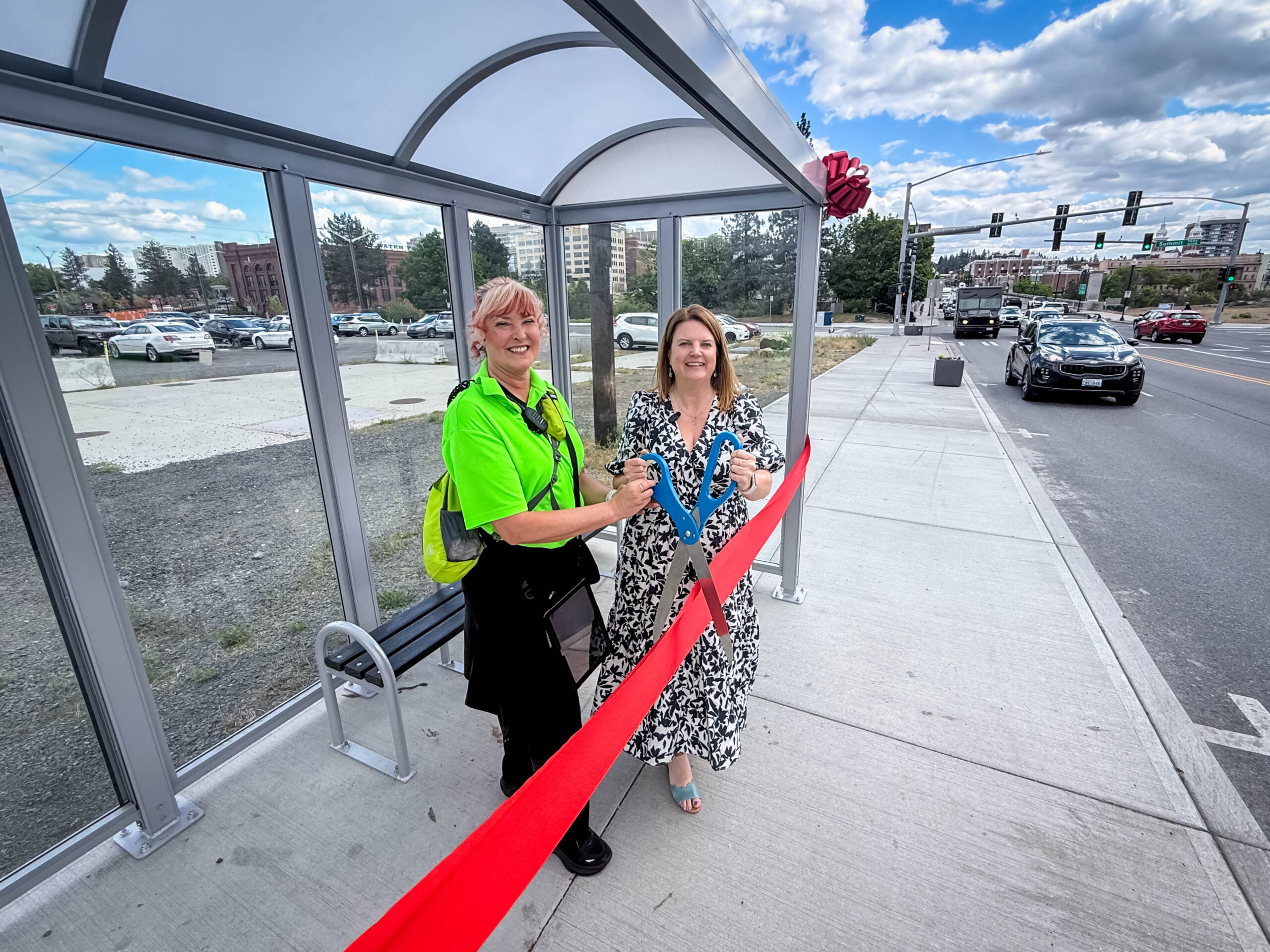
New Bus Stop Shelter Grand Openings
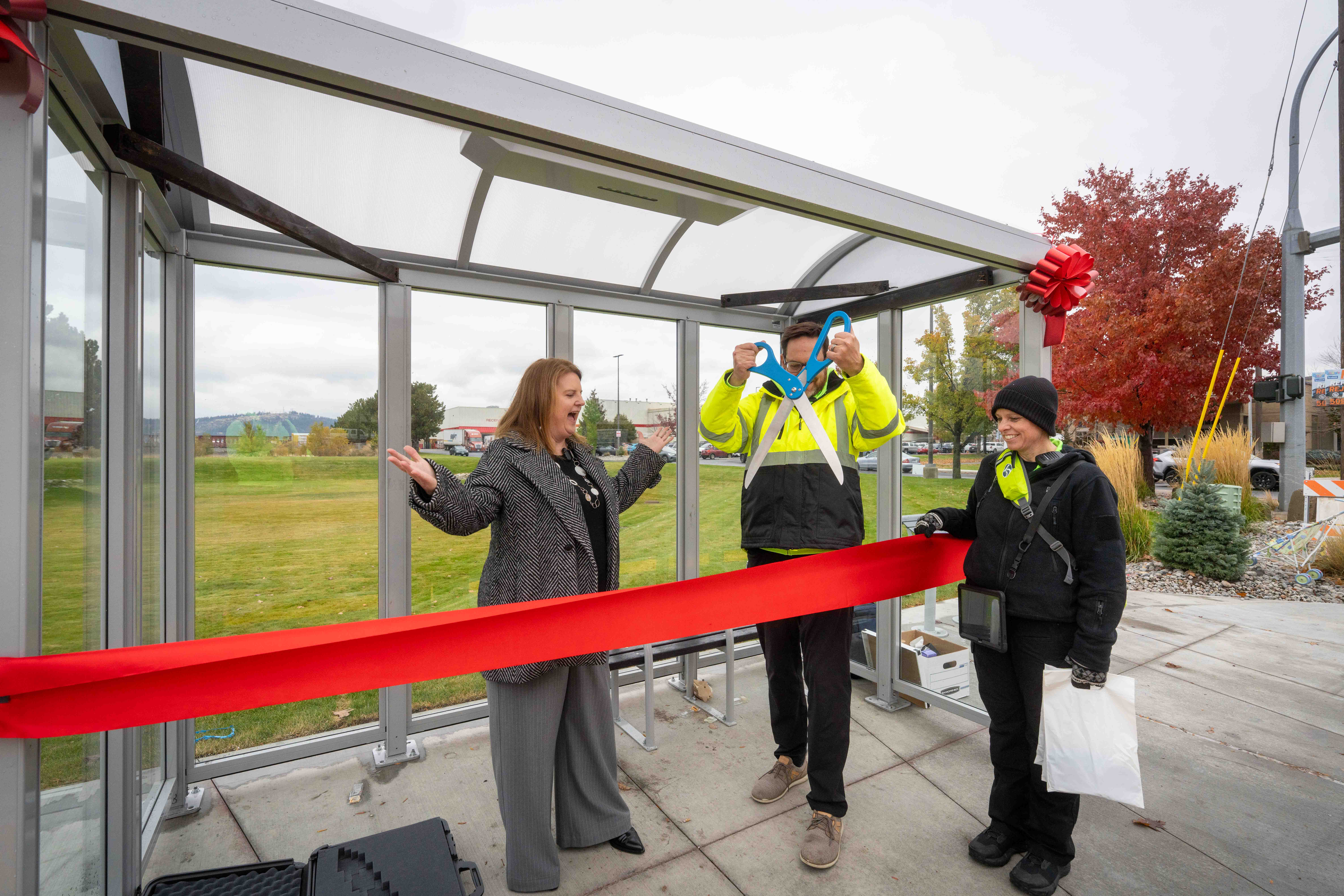
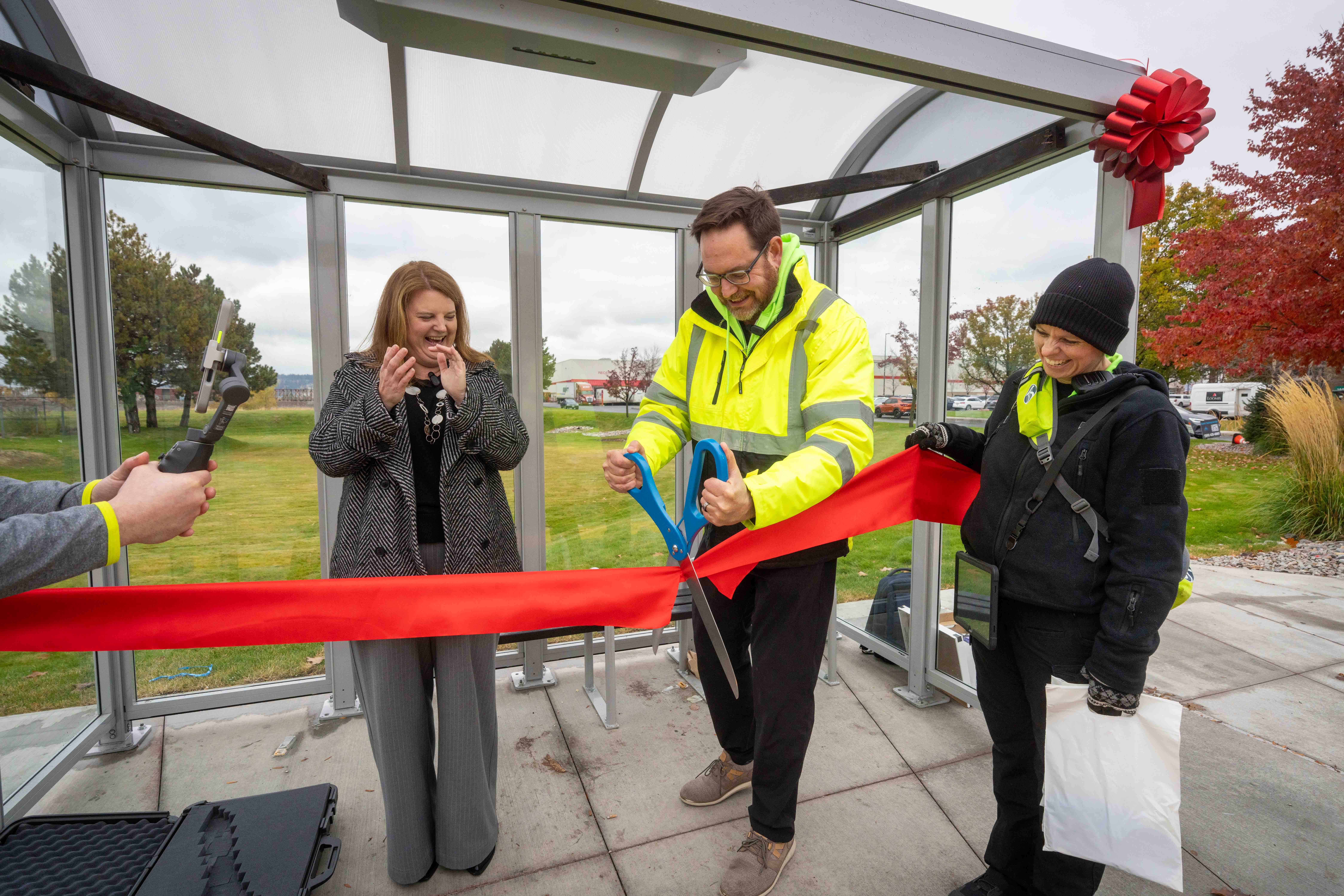
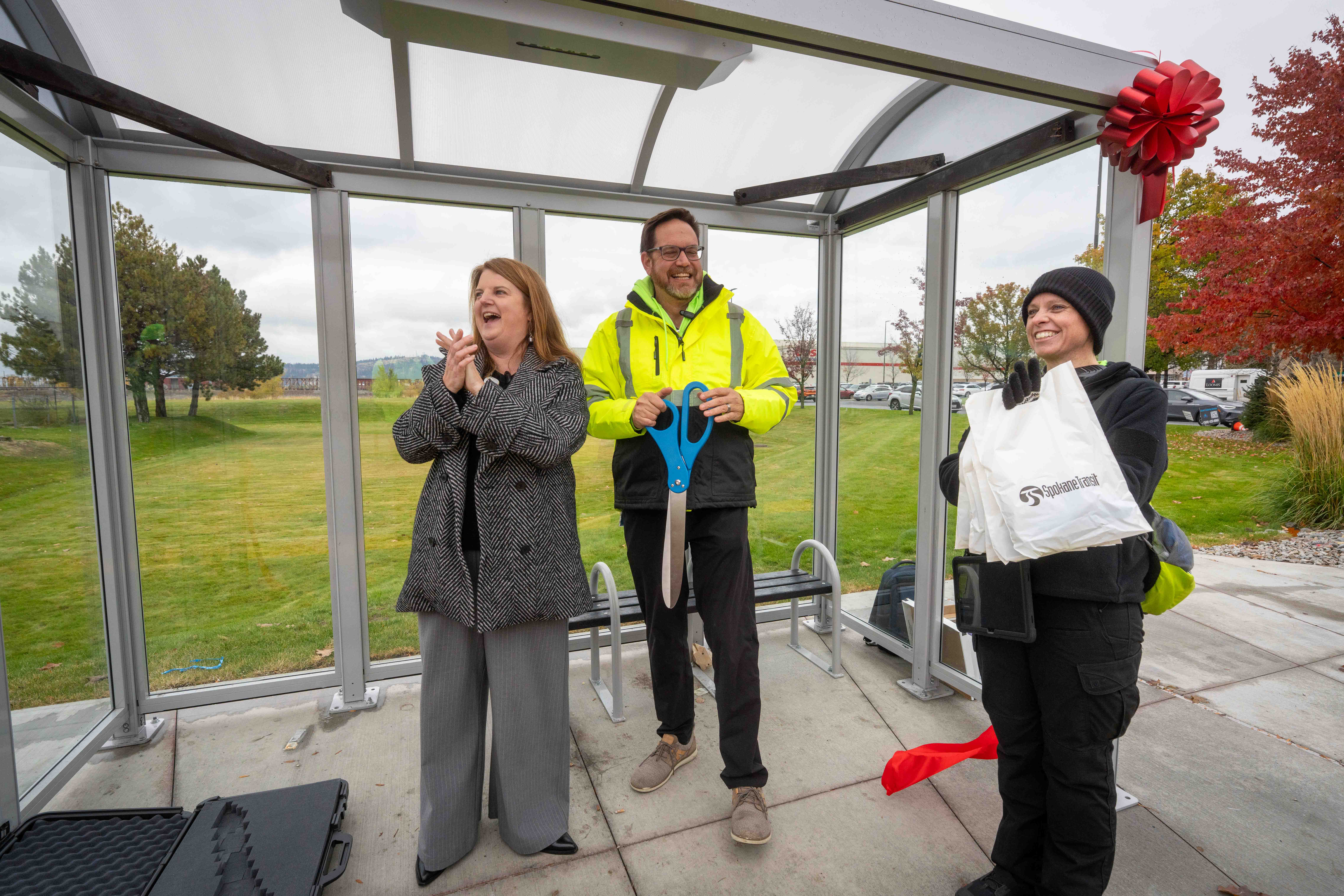
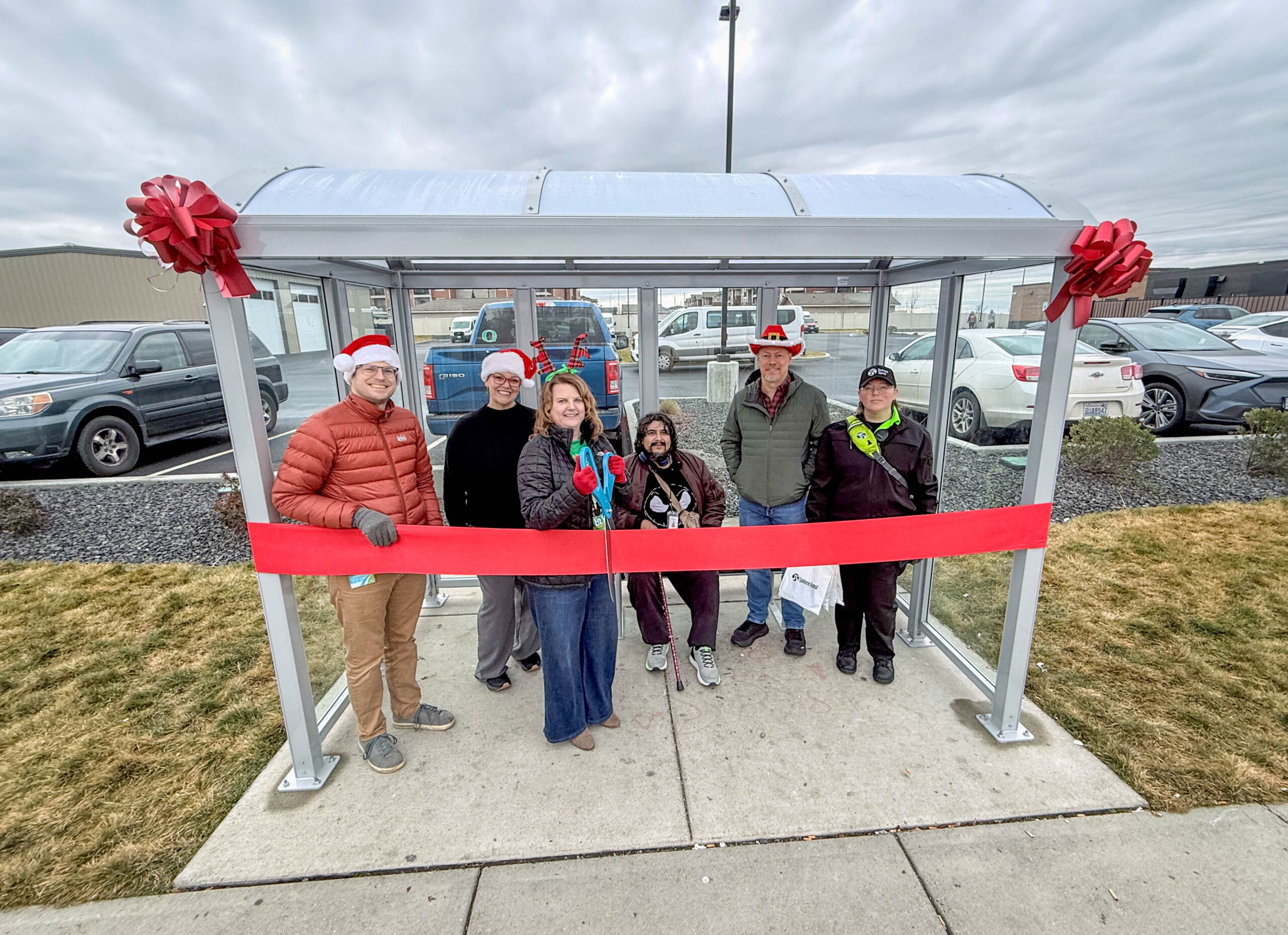
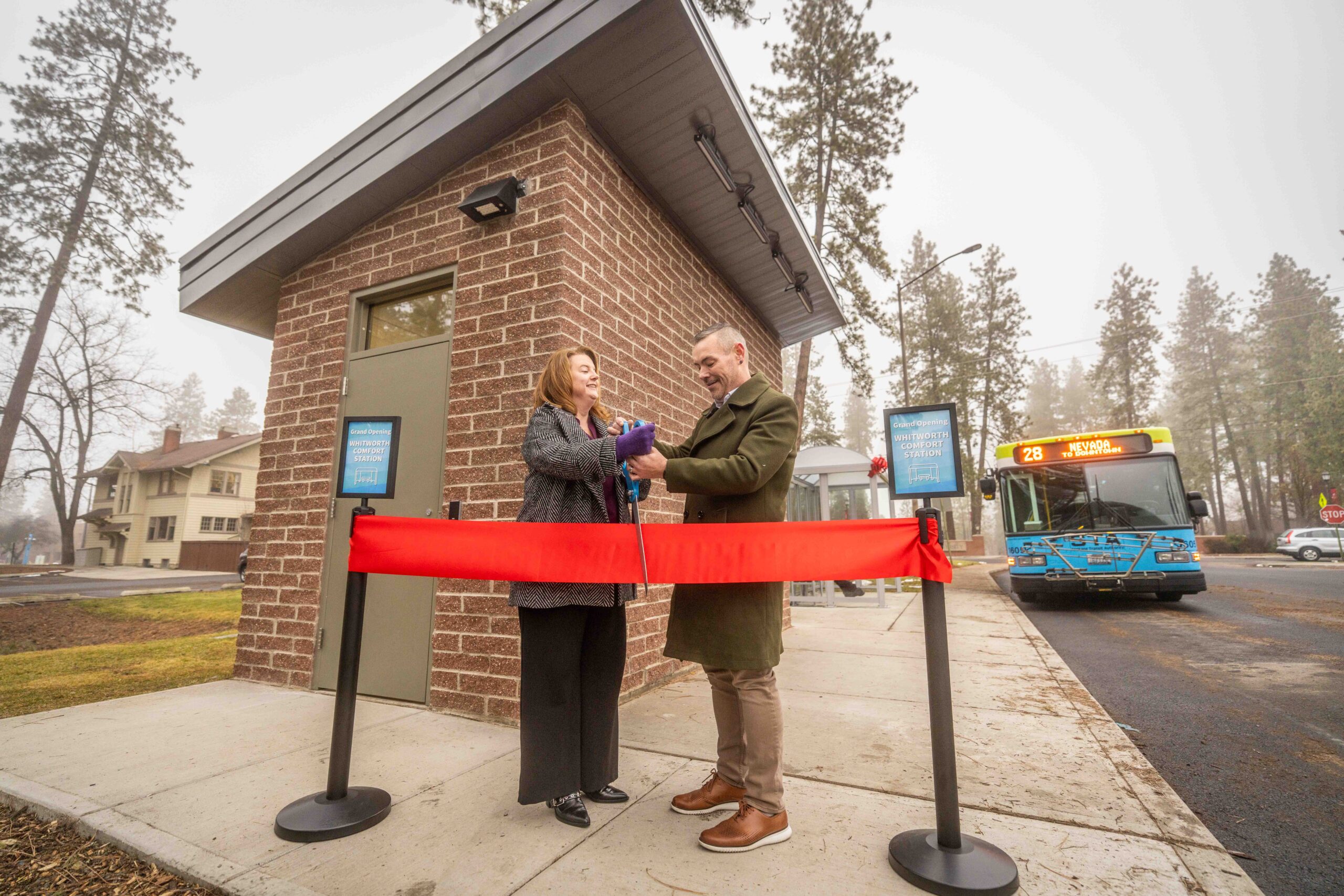
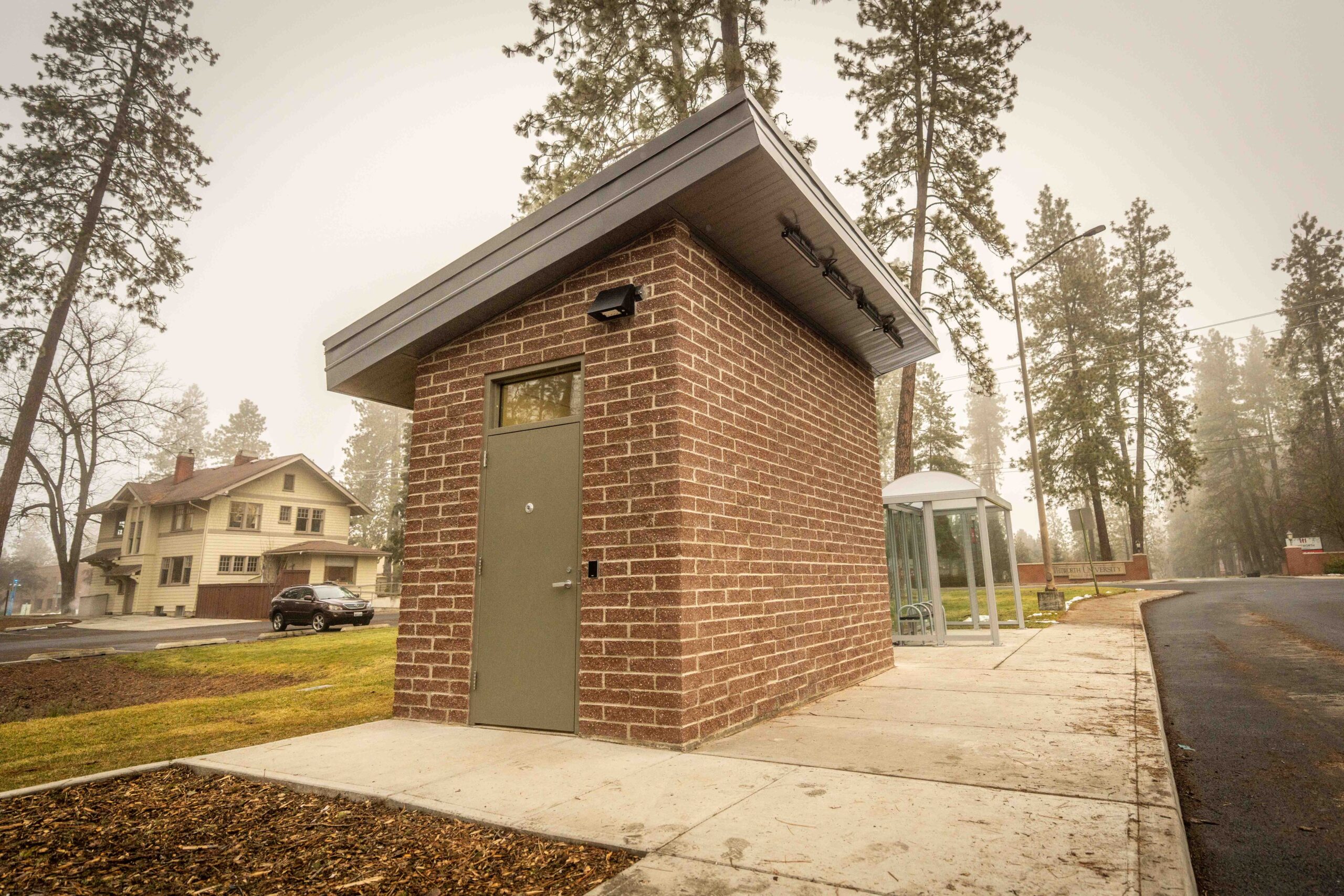
Follow the journey as we officially open new bus stop shelters with a ribbon-cutting celebration throughout the region.
Bus Shelter Expansion Playlist

0:33
0:51
0:55
0:29

0:56
0:46